

In the digital era, businesses' race to the top of Google is witnessing a major turning point. No longer stopping at traditional SEO, the explosion of AI tools such as ChatGPT, Gemini or Claude has opened up the concept of GEO (Generative Engine Optimization) – Search engine optimization using AI. If you don't want to be left behind by your competitors, what should your business do? This article will provide you with a preparation roadmap from A-Z to deploy a comprehensive SEO & GEO strategy, helping your brand both dominate Google and be prioritized by AI.
To reap the rewards from these two search channels, businesses cannot work on instinct but need a solid foundation. Below are the core components and practical preparation steps you need to implement immediately.
1. CORE PART – FOUNDATION FOR LONG-TERM DEVELOPMENT
This is the launching pad that determines the entire long-term effectiveness of the campaign:
- Keyword research & search behavior: Analyze what customers are typing on Google and how they tend to ask questions when chatting with AI.
- Building a content strategy: Plan your route methodically, stay focused and thoroughly solve customer pain.
- Optimize website structure: Design a scientific sitemap, dividing categories appropriately so that users and search bots can easily navigate.
- Technical SEO: Ensure technical factors such as extremely fast page loading speed, security certificate (HTTPS) and optimized data collection ability for bots.
2. OPTIMIZE CONTENT – QUALITY TO GET TO THE TOP AND BE CITED
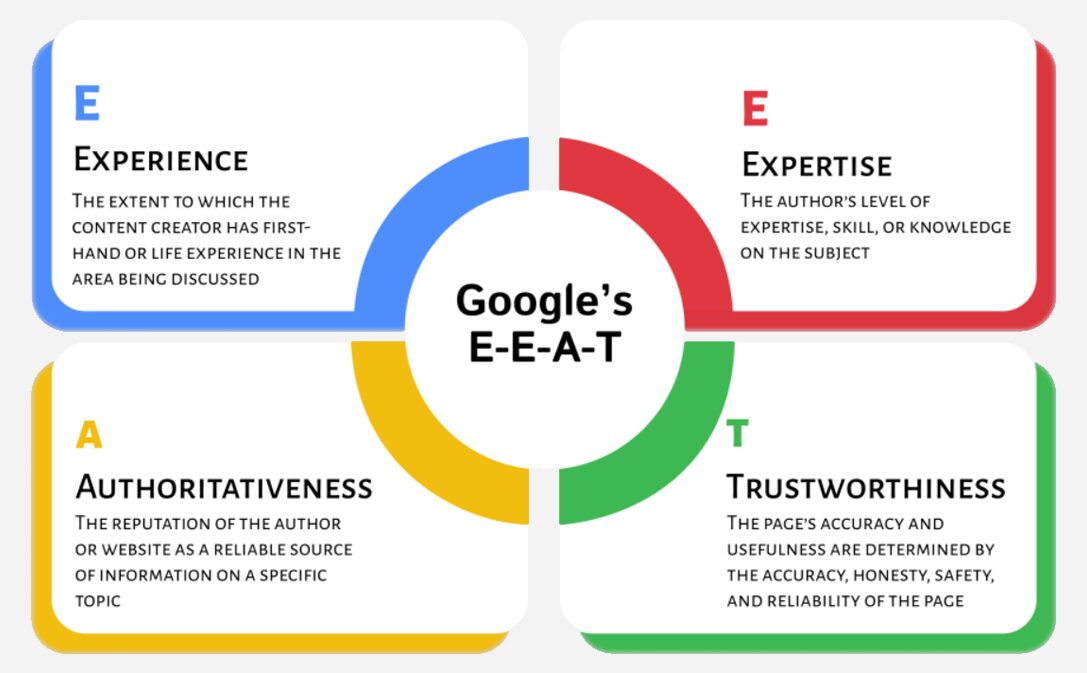
Current content is not only written for readers but also must be standard enough for AI models to read and understand and extract the source. Businesses need to diversify the following formats:
- In-depth articles: Provide multi-dimensional, high-value information that completely addresses a topic instead of writing superficially.
- FAQ (Frequently Asked Questions): Collection of common customer questions with short, concise answers.
- Instructions (How-to): Articles share clear and intuitive step-by-step procedures and instructions.
- Compare and evaluate: Put products/services on the scale to help users easily make purchasing decisions.
- Practical Case Studies: Success stories and real data from old customers to maximize reliability.
3. STRUCTURED DATA – THE "LANGUAGE" WHO TALKS TO
If you want Google and AI tools to understand your website as quickly as possible, businesses are required to prepare Schema code (Structured Data). Schema helps the system clearly identify:
- Who is your business and what industry is it in?
- What products and services do you provide?
- Address information, customer reviews, articles, and FAQ sections…
SEO/GEO Tips: This is an extremely important part that helps "label" data, turning your website into a reliable source of information for AI to prioritize scanning.
4. BUILDING REPUTATION ON THE INTERNET
Both Google and AI don't just evaluate you based on what you say yourself on the website, they verify it through objective external sources. Prepare your resources:
- Press: Media articles, mentioning brand names on major electronic newspapers.
- Business profile: Verify identity on Google Business Profile, Yellow Pages or reputable directories.
- Social Entities: Create and unify brand information (Name, address, phone number) on major social networks such as Facebook, LinkedIn, YouTube, Twitter…
- Digital PR: Public relations campaigns in the digital environment to increase brand coverage and frequency of appearance.
5. SPECIFIC OPTIMIZATION FOR WHO (GEO)
To catch the "eye" of generators like ChatGPT or Gemini, the content on your website needs to meet AI's priority criteria:

- Directly answer the question: Get straight to the point in the first 1-2 sentences, avoid rambling and lengthy writing.
- Clear structure: Use title tags (H2, H3), tables and bullet points to make it easier for AI to parse data.
- There are specific evidence and data: Information provided must be accurate, have proven data and clear origin.
- Easy to extract information: Standard, clean text format, does not block AI bots from scraping data.
- Regular updates: Ensure information is always fresh, keeping up with market trends and changes.
6. CONTINUOUS MEASUREMENT AND OPTIMIZATION
SEO and GEO is a long-term journey, not a one-time job. Businesses need to prepare a tool system (Google Analytics, Search Console…) to continuously monitor:
- Keyword rankings on search engines.
- Traffic (Traffic) naturally flows to the website.
- Conversion rate (From readers to potential customers).
- Visibility on AI tools (Check if the brand is suggested in AI responses).
- Effectiveness of each content group for timely improvement and optimization.
In short, to win in today's technology game, businesses need to remember the core rules: SEO helps your website be found on Google, also GEO helps brands AI options to introduce directly to users. Investing in careful preparation of the above 6 factors from today is a strategic step to help businesses develop sustainably in the AI Search era.